
Understanding and Managing Stress in Cats
Stress in cats is caused by changes to their environment, routine, or social group. Common signs include hiding, over-grooming, aggression, litter box avoidance, and appetite loss. To help a stressed cat, there are a few steps you can take, starting from creating a safe retreat space, keeping feeding and playing routines consistent, and reducing environmental triggers. If symptoms persist beyond 24 – 48 hours or have no obvious cause, consult your vet. Stress and illness present identically, and a check-up is always the right first step.
Understanding Stress in Cats
Stress in cats is a psychological and physical response to changes in their environment, routine, or social group. Unlike dogs, cats rarely show stress openly. They tend to become quieter, more withdrawn, or subtly different, which is why stress in cats is so frequently missed or mistaken for normal personality shifts.
Stress triggers the release of cortisol, the stress hormone, which affects appetite, digestion, grooming, immune function and general behaviour.
The earlier stress is identified and addressed, the simpler it is to help.
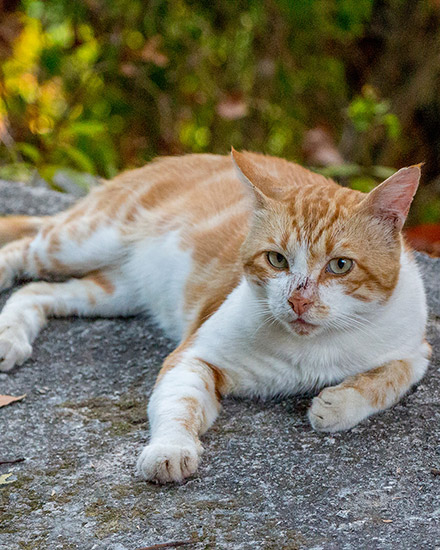
What Are the Signs of Stress in Cats?
The signs of stress in cats typically appear across three areas: behaviour, physical health, and litter box habits.
Behavioural Signs
- Hiding more than usual or refusing to come out
Cats naturally enjoy quiet spaces. But if your cat suddenly spends most of the day under the bed or behind furniture, especially if that’s new, it may be a signal that something feels unsafe.
- Avoiding interaction with people or other pets
A normally social cat pulling away, not greeting you, or avoiding other pets can indicate emotional discomfort rather than moodiness.
- Increased aggression – hissing, swatting, or biting
When a cat feels threatened or overwhelmed, defensive behaviour can increase. This isn’t “bad behaviour.” It’s often a stress response.
- Excessive meowing or vocalising
Some stressed feline companions become unusually vocal. Persistent meowing, yowling, or calling at odd times can reflect anxiety or confusion.
- Seeming jumpy, easily startled, or on edge
If your cat reacts strongly to normal household sounds or appears tense and alert most of the time, it may be struggling to relax.
Physical Symptoms
- Over-grooming, sometimes leading to bald patches
Grooming can be soothing for cats. When stressed, some will lick repeatedly in one area, often the belly or inner legs, until fur thins or skin becomes irritated.
- Loss of appetite or sudden change in eating habits
A stressed cat may eat less, skip meals, or sometimes eat more than usual. Sudden appetite changes should always be monitored carefully.
- Vomiting or loose stools
Digestive upset can occur when a cat is anxious. However, ongoing vomiting or diarrhoea should always be checked by a vet to rule out illness.
- Tense body posture
Body language is a strong indicator of stress. A crouched posture, flattened ears, or a tightly tucked tail often signals discomfort.
Litter Box Changes
- Urinating outside the tray
This is one of the most common signs of stress in cats. It may be linked to anxiety, territorial concerns, or feeling unsafe using the tray.
- Spraying on walls or furniture
Spraying can increase when a cat feels insecure or is responding to environmental changes.
- Appearing to strain or visiting the tray more frequently
Frequent litter box visits can be stress-related, but this can also indicate urinary issues, which require prompt veterinary attention.
What Causes Stress in Cats?
Stress in cats typically falls into one of four categories.
Environmental Changes
Moving home, renovation work, rearranging furniture, new smells, new sounds, or changes to outdoor access can all unsettle a cat significantly. Cats form a strong attachment to familiar spaces, and disruption to those spaces registers as a genuine threat.
Social Changes
The arrival of a new pet, a new baby, regular visitors, or the loss of a companion, human or animal, can all disrupt a cat’s sense of safety and order.
Disrupted Routine
Cats rely on a predictable routine more than almost any other domestic animal. Changes to feeding times, reduced human interaction, or an owner being away from home are all common stress triggers, particularly in cats who are closely bonded to their people.
Pain or Illness
Physical discomfort is one of the most frequently overlooked causes of behavioural change in cats. A cat in pain or managing the effects of illness will often show the same signs as a cat under environmental stress.
How Do You Help a Stressed Cat?
You don’t need to change everything overnight. Small, consistent improvements tend to work far better than big, sudden interventions.
Step 1: Create a Safe Space
Give your cat somewhere they can go to feel completely secure. This might be:
- A quiet corner with a covered or enclosed bed
- An elevated perch away from household activity
- A room where they’re unlikely to be disturbed
Once your cat associates that space with safety, it becomes their retreat when the world feels too much.
Step 2: Keep Routine as Predictable as Possible
Feed your cat at the same time each day. Keep play sessions regular. Try to handle changes in the household gradually where you can. Routine is one of the most powerful tools you have when managing stress in cats.
Step 3: Provide Mental Enrichment
A bored or understimulated cat is a stressed cat. Simple additions make a real difference:
- Puzzle feeders or food-dispensing toys
- Wand toys for regular interactive play
- Scratching posts positioned near resting areas
- Window access so they can watch the outside world
Step 4: Multi-Cat Household Adjustments
Tension between cats is one of the most common but underestimated causes of stress. To reduce competition:
- Provide one litter tray per cat, plus one extra
- Offer separate feeding stations in different locations
- Ensure each cat has their own resting area
Step 5: Consider Calming Aids
For cats who need a little extra support, there are several gentle options:
- Pheromone diffusers mimic the natural calming signals cats produce
- Vet-approved supplements can help take the edge off in more anxious cats
- Always consult your vet before introducing any new product
Creating a Stress-Free Environment For Your Cats
A stress-free environment doesn’t happen by accident. It’s created through small, thoughtful details. Especially when your cat is away from home.
What genuinely helps reduce stress in cats?
- A calm, quiet atmosphere with minimal sudden noise or disruption
- Secure, comfortable enclosures that offer both space and privacy
- Consistent daily routines with feeding, cleaning, and gentle interaction at predictable times
- Experienced carers who understand cat behaviour and can spot early signs of stress
- A gradual settling-in approach, allowing cats to adjust at their own pace rather than rushing the process
Cats thrive on predictability. When their surroundings feel steady, and their needs are understood, they adapt far more comfortably.
At Hunters Lodge Cattery, our care approach is built around these principles. We focus on calm handling, structured routines, and quiet spaces because we know that the smallest details often make the biggest difference to a cat’s wellbeing during a stay.
If you’d like to know more about how we care for cats, or would prefer to visit and see the environment before making a decision, we’re always happy to help.
Signs Your Cat Is Settling Well During Boarding

If you’re ever worried about how your cat might cope away from home, these are the positive signs to look for:
- Eating normally (or close to their usual appetite)
- Grooming themselves as they would at home
- A relaxed posture with a soft body, tail in a neutral position
- Showing curiosity about their enclosure rather than hiding continuously
- Accepting gentle interaction from carers
Most cats take a day or two to settle. With the right environment and handling, the majority of cats adjust well and return home relaxed.
A Safe Environment for your Cat in Northamptonshire
At Hunters Lodge Cattery, we’ve built our approach around reducing stress in cats during their stay.
Every cat boards in their own spacious, double-heated room with dedicated exercise areas for one-to-one attention, play and cuddles. We follow your feeding instructions precisely, administer medication at no extra charge, and maintain close relationships with local vet practices so that nothing is left to chance.
We always encourage a visit before your cat’s first stay. Drop in Monday to Saturday between 11:00 am and 11:45 am – no appointment needed.
See exactly where your cat will be staying, meet the team, and ask anything you need to. If you have questions about routines, behaviour, suitability or special care needs, the team at Hunters Lodge will be happy to help. Get in touch with our staff to discuss your cat’s needs.
Frequently Asked Questions About Stress in Cats
1. Is My Cat Stressed or Sick?
If the symptoms appeared alongside an obvious environmental change, such as a house move, a new pet, or a change in routine, stress is likely a contributing factor. If the symptoms appeared without any clear trigger, or if your cat has not eaten, drunk, urinated or defecated normally for 24 hours, treat it as an urgent vet visit. A check-up and blood tests, if needed, are the only reliable way to distinguish the two.
2. How long does stress in cats last?
Mild stress from a single event (a visitor, a loud noise) typically resolves within hours to a day or two. Stress caused by an ongoing change, such as a new pet, a house move, or an owner’s absence, can persist until the trigger is addressed or the cat adapts. Chronic stress lasting more than two weeks should be discussed with your vet.
3. Can stress make a cat physically ill?
Yes, chronic stress suppresses the immune system, causes gut inflammation, and can trigger or worsen urinary issues in cats. This is why managing stress in cats isn’t just a behavioural concern; it has direct physical consequences.
4. Do I need to tell the cattery about my cat’s stress history before boarding?
Yes, always. Sharing information about your cat’s known stress triggers, previous episodes, dietary needs, and daily routine gives the cattery the best possible chance of providing appropriate care. At Hunters Lodge, we always welcome this information and use it to personalise your cat’s stay.
5. Can Cats Get Stressed When Their Owner Is Away?
Yes, cats are often more attached to their owner’s presence and daily routine than they appear. When that routine disappears, during a holiday, a work trip, or a family emergency, even confident, independent cats can become unsettled.