
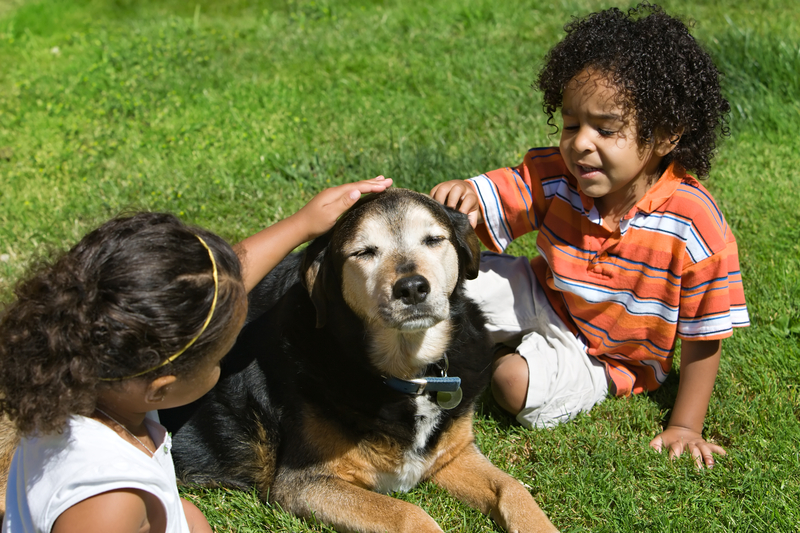
Sneezing Season: Recognising and Managing Spring Allergies in Dogs and Cats
Spring is one of the most enjoyable times of year for pets and owners alike. More outdoor time, longer walks, warmer evenings. But for some dogs and cats, spring also brings itching, scratching, and sneezing that seem to appear from nowhere.
Spring allergies in dogs and cats are more common than many owners realise. Around one in ten dogs develop seasonal allergies, and cats are affected too, though their symptoms often look different. Knowing the signs and knowing what to do makes a real difference.
What Causes Spring Allergies in Dogs and Cats?
Seasonal allergies happen when a pet’s immune system overreacts to harmless substances in the environment. Instead of ignoring them, the body treats these substances as threats. The result is inflammation, and in most pets, that shows up as itching and skin irritation rather than sneezing.
Common Spring Allergy Triggers
These are the allergens most likely to cause problems from late winter through to early summer:
- Tree pollen – the first major trigger of the year in the UK, peaking from March to May
- Grass pollen – begins in June and can continue well into summer
- Weed pollen – arrives later in the season, from July onwards
- Mould spores – released from damp soil, compost, and fallen leaves as temperatures rise
- Dust mites – disturbed by spring cleaning and increased airflow through open windows
- Fleas – flea activity surges in warmer months; flea allergy dermatitis is often confused with pollen allergy
Why Symptoms Appear in Spring
Pollen counts rise quickly as the weather warms. Many pets are sensitive to multiple triggers at once, which means symptoms can build from March onward and persist through the summer.
Allergens do not stay outside. Pollen travels through open windows, clings to clothing, and arrives indoors on your pet’s coat after every walk. Indoor cats are not automatically protected; pollen reaches them through the same routes.
Do Dogs and Cats React Differently?
Yes. In dogs, the immune system meets most allergens through the skin. That is why itching, paw chewing, and ear trouble usually appear before anything respiratory.
Cats are more variable. Some itch and overgroom like dogs. Others develop sneezing, watery eyes, or nasal discharge. Both patterns are possible in the same animal.
The Common Signs of Spring Allergies in Pets
Most pets with spring allergies show some combination of the signs below. If those symptoms occur at the same time each year and worsen with each season, seasonal allergies are likely the cause.
Skin Symptoms
- Persistent scratching, especially around the paws, belly, face, and armpits
- Paw licking or chewing after walks
- Red, inflamed, or flaky skin
- Hot spots or sore, weeping patches
- Hair loss in areas of repeated scratching
Respiratory and Eye Symptoms
- Sneezing, more than usual
- Watery or red eyes
- Runny nose or clear nasal discharge
- Occasional coughing, particularly in cats
Ear Problems Linked to Allergies
Allergic inflammation affects the skin inside the ear canal and makes bacterial or yeast infections easier to develop. Signs to watch for include:
- Excessive head-shaking or ear-scratching
- Recurring ear infections, especially at the same time each year
- Redness, unusual smell, or dark discharge from the ears
Spring Allergy Symptoms in Dogs
Dogs nearly always show allergies through the skin first. Their immune system is wired to meet environmental allergens at the skin barrier, which is why a walk through spring grass triggers paw chewing and belly itching rather than a sneezing fit.
Common Allergy Symptoms in Dogs
- Paw licking and chewing are often the first signs owners notice
- Belly and groin itching in areas that make direct contact with grass
- Recurring ear infections, especially in floppy-eared breeds
- Face rubbing along carpets, sofas, or the floor
- Red or irritated skin and hot spots
- Reverse sneezing, with a rapid, forceful sniff through the nose, is caused by post-nasal irritation
Note: Breeds with a higher seasonal allergy risk
- Terriers (all types), Labrador Retrievers, Golden Retrievers, Irish Setters
- Short-snout breeds: Pugs, Bulldogs, French Bulldogs, Boston Terriers
- Any breed can be affected, as these are simply more predisposed
Signs Your Dog’s Allergy Flare-Up Is Worsening
Keep an eye out for:
- Constant scratching that does not ease with home care
- Broken or bleeding skin from repeated scratching
- Significant hair loss in patches
- Swollen paws or between-toe redness
These signs suggest the allergy has moved beyond mild irritation. A vet visit at this stage prevents secondary infections from taking hold.
Spring Allergy Symptoms in Cats
Cats can be harder to read than dogs. They are good at hiding discomfort, and the signs are easy to dismiss as ordinary behaviour. The important thing to know is that cats can show both skin and respiratory symptoms from seasonal allergies, and indoor cats are not necessarily safe, since allergens enter the home on clothing and through open windows.
Common Symptoms in Cats
- Over-grooming and licking fur until bald patches appear
- Miliary dermatitis is a small, scabby bump along the back, neck, or belly (a skin allergy response specific to cats)
- Scratching around the head, face, and neck
- Sneezing or nasal discharge more often than usual
- Watery or red eyes
- Restlessness or mood changes caused by ongoing discomfort
Why Cats May Groom More During Allergy Season
When a cat’s skin itches, grooming is the natural response. What starts as normal cleaning becomes excessive as the irritation continues. Over-grooming becomes self-reinforcing; the licking further irritates the skin, which leads to more licking.
If your cat is developing bald spots or showing reddened skin beneath the coat, allergic skin irritation is a strong possibility.
Is It Really Allergies or Something Else?
Several conditions can resemble spring allergies. Diagnosing purely from symptoms is unreliable. Before assuming seasonal allergy, it is worth checking the following alternatives.
| CONDITION | KEY DISTINGUISHING SIGNS |
| Seasonal allergies | Returns each spring; skin symptoms dominate; improves in winter |
| Food allergy | Year-round, not seasonal; may include digestive signs alongside skin irritation |
| Fleas | Itching concentrated at the tail base; flea dirt visible in coat; not pollen-linked |
| Skin infection | Redness, smell, discharge; possible fever; does not respond to antihistamines |
| Ear infection | Localised to the ears; strong odour; coloured discharge; may occur independently |
| Respiratory illness | Coughing, fever, lethargy; broader signs of illness beyond sneezing alone |
| Household irritants | New cleaning products, air fresheners, or new materials can cause similar reactions |
How Vets Diagnose Seasonal Allergies
Veterinarians do not diagnose seasonal allergies based on symptoms alone. The process starts with a comprehensive history, a physical examination, and a systematic approach to ruling out other causes.
What Your Vet May Ask About
- When the symptoms first appeared, and whether they return at the same time each year
- Which parts of the body are affected
- Whether flea and parasite prevention is up to date
- Any recent changes to diet, environment, or household products
- Whether symptoms improve when the pet stays indoors
Tests Your Vet May Perform
- Physical examination of the skin, coat, and ears
- Skin scraping or cytology to rule out infection or parasites
- Allergy testing for persistent or severe cases, intradermal skin testing or blood (serum) testing identifies specific triggers; most useful when immunotherapy is being considered
How to Manage Spring Allergies in Dogs and Cats
Most pets require a combination of home care and veterinary care to stay comfortable during allergy season. Home care alone is rarely sufficient for moderate or severe reactions, but it makes a meaningful difference when combined with the right treatment.
Simple Things You Can Do at Home
- Wiping paws after every walk with a damp cloth removes pollen before it is licked in or spread through the house
- Bathe with a hypoallergenic shampoo once or twice a week during peak season to remove allergens from the skin and coat
- Wash bedding weekly, which reduces the build-up of dust mites and pollen shed from the coat
- Brushing coats outdoors prevents pollen from being shed inside the home
- Keep windows closed in the morning as pollen counts are highest between 6 am and noon
- Use a HEPA air purifier to filter airborne pollen and mould spores from rooms where your pet sleeps
- Check the UK pollen forecast, the Met Office publishes daily pollen counts; limit outdoor time on high-count days
Why Early Treatment Helps
Seasonal allergies tend to worsen year on year if left unmanaged. The immune system becomes increasingly sensitised each season. Starting treatment early, before symptoms become severe, helps keep the progression in check and makes the whole season more manageable for your pet.
If your pet has a clear seasonal pattern, speak to your vet before the usual trigger months begin rather than waiting for symptoms to appear.
Home Tips to Reduce Pollen Exposure
A few consistent habits at home go a long way toward reducing your pet’s daily allergen exposure. These are not a substitute for veterinary treatment when it is needed, but they make a real difference to your pet’s comfort.
After-Walk Routines for Dogs
A quick post-walk routine removes most of the pollen before it can be licked in or transferred to furniture.
- Use a damp microfibre cloth to wipe the paws, legs, belly, and muzzle
- Pay particular attention to the paw pads and between the toes, this is where pollen collects most heavily
- For longer-coated dogs, a quick brush outside before coming in reduces indoor pollen shed significantly
Making Your Home Allergy-Friendly
- Wash pet bedding, blankets, and soft toys weekly on a warm wash
- Vacuum regularly with a HEPA-filter vacuum cleaner
- Avoid strong-smelling cleaning products, air fresheners, and scented candles around sensitive pets
- Change into indoor-only clothes after spending time outdoors, pollen clings to fabric and transfers to your pet when you sit near them
- Use fragrance-free laundry products on pet bedding
How Hunters Lodge Can Help This Spring
If spring allergies are making your pet uncomfortable, the right care and environment can make a real difference.
At Hunters Lodge, we provide calm, well-managed spaces for both dogs and cats, with close monitoring for signs like itching, sneezing, or irritation.
- Dog boarding kennels for safe, comfortable stays
- VIP dog rooms for extra space and a more relaxed environment
- Doggy day care for supervised play and routine during the day
For cats, our cattery offers spacious, heated rooms designed to keep your cat settled and stress-free.
We follow your routines, administer medication if needed, and tailor care for pets with allergy or health concerns.
You’re always welcome to visit before booking. Drop in Monday to Saturday between 11:00 am and 11:45 am, no appointment needed.
If your pet needs extra support this spring, get in touch with the Hunters Lodge team. We’re always happy to help you plan a comfortable, stress-free stay.
Want to see our facilities for yourself? Explore our gallery to view our spacious daycare accommodation, kennels, and play areas. If you have any questions, don’t hesitate to get in touch. We’re always happy to help.
FAQs About Spring Allergies in Dogs and Cats
1. Can dogs get seasonal allergies in spring?
Yes, spring allergies are common in dogs, and spring is the most active trigger season. Rising tree pollen from March onwards is the main cause, and symptoms typically show through itching, paw chewing, and ear problems. Around one in ten dogs are affected, and symptoms often worsen year on year if not managed.
2. Can cats be allergic to pollen?
Yes. Cats can develop pollen allergies, though they are diagnosed less often than in dogs. Signs include over-grooming, scabby skin (miliary dermatitis), sneezing, and watery eyes. Indoor cats are not automatically protected; pollen enters through windows, on clothing, and on other pets.
3. Why is my dog sneezing in spring?
Occasional sneezing in spring can be linked to airborne pollen irritating the nasal passages. Dogs can also have episodes of reverse sneezing, a loud, rapid inhalation through the nose that sounds alarming but is usually harmless. If sneezing is persistent and comes alongside scratching or ear problems, it is worth mentioning to your vet.
4. Why is my cat scratching more in warm weather?
Increased scratching in spring is often a response to rising pollen and mould spore counts. It can also indicate flea activity, which increases sharply as temperatures climb. If the scratching is concentrated around the head and neck and comes alongside over-grooming or watery eyes, seasonal allergy is a likely cause.
5. When should I worry about my pet sneezing or itching?
Mild sneezing or light scratching in spring is usually not urgent. See a vet if symptoms are persistent, if scratching is breaking the skin, if there are signs of ear or skin infection, if a cat is developing bald patches from over-grooming, or if symptoms are clearly worse than the previous year. Early intervention keeps seasonal allergies manageable over the long term.