
Easter Hazards for Pets: How to Keep Your Dog and Cat Safe
Easter can be one of the most hazardous times of year for dogs and cats. Chocolate, hot cross buns, spring bulb plants, and small decorations all pose serious risks, and with more food left out and guests in and out of the house, the chances of your pet getting hold of something harmful are higher than usual.
The good news is that most Easter hazards for pets are easily preventable with a bit of preparation. This guide covers everything you need to know, from the most common dangers and their symptoms, to exactly what to do if your pet eats something they shouldn’t.
Why Easter Can Be Risky for Pets
Even the most vigilant pet owners can find Easter catches them off guard. Several things change around the holiday that create extra risk for dogs and cats:
- More food is left out on tables, in baskets, and on low shelves.
- More guests visit and may not know what’s safe to feed your pet.
- Egg hunts mean chocolate and foil wrappers end up scattered across the garden or floor.
- Decorative plants like lilies and daffodils are brought into the home.
- Disrupted routines can cause stress, making some pets more likely to scavenge.
None of these risks are cause for panic, but being aware of them means you can take simple steps to keep your pet safe.
The Most Common Easter Hazards for Pets
1. Chocolate and Easter Treats

Chocolate is the most common Easter hazard for pets, and one of the leading causes of emergency vet visits during the holiday period. Surveys suggest around 70% of vets deal with chocolate poisoning cases during festive seasons, with dogs accounting for roughly 80% of cases. Cats are far less likely to eat chocolate, but remain vulnerable.
Why it’s dangerous
Chocolate contains theobromine, a compound that dogs cannot metabolise safely. Dark chocolate and cocoa powder are the most toxic, but milk chocolate and white chocolate can still cause problems, especially in smaller dogs.
Symptoms to watch for
- Vomiting and diarrhoea
- Restlessness or hyperactivity
- Muscle tremors or seizures
- Increased heart rate
- Excessive thirst and urination
2. Hot Cross Buns and Easter Foods

Hot cross buns are a staple Easter treat, but they’re dangerous for both dogs and cats. Other Easter foods can cause serious problems, too.
- Raisins and sultanas, found in hot cross buns, can cause acute kidney failure in dogs, even in very small amounts. The exact toxic mechanism is not fully understood, which makes any exposure a vet emergency.
- Fatty foods like roast lamb or buttery baked goods can trigger pancreatitis in dogs.
- Cooked bones (from lamb or chicken) are a choking hazard and can splinter internally.
- Xylitol is a sweetener found in some sugar-free Easter sweets and gum, which is highly toxic to dogs and can cause symptoms within just 10 – 60 minutes of ingestion.
3. Decorations and Small Objects

Easter decorations are often colourful and small, which makes them attractive to curious pets.
Why it’s dangerous:
- Plastic grass and foil wrappers from Easter baskets are easily swallowed and can cause intestinal blockages.
- Small toys, plastic eggs, and figurines are choking hazards.
Signs of a blockage
- Repeated vomiting
- Loss of appetite
- Lethargy
- Bloating or a distended abdomen
- Straining to go to the toilet
4. Spring Plants and Flowers

Spring is the peak season for cut flowers and potted plants, and also spring allergies. Many of the most popular spring plant varieties are toxic to pets.
High-risk plants to know
- Lilies of all varieties: Extremely dangerous for cats. Even small amounts of pollen can lead to kidney failure. It is important to keep them out the way of your beloved cats.
- Daffodils: Toxic to both dogs and cats, including the bulbs, leaves, and flowers.
- Tulips: The bulb is the most toxic part, but the whole plant poses a risk.
- Hyacinths and bluebells: Also worth keeping out of reach.
5. Easter Activities and Behavioural Risks
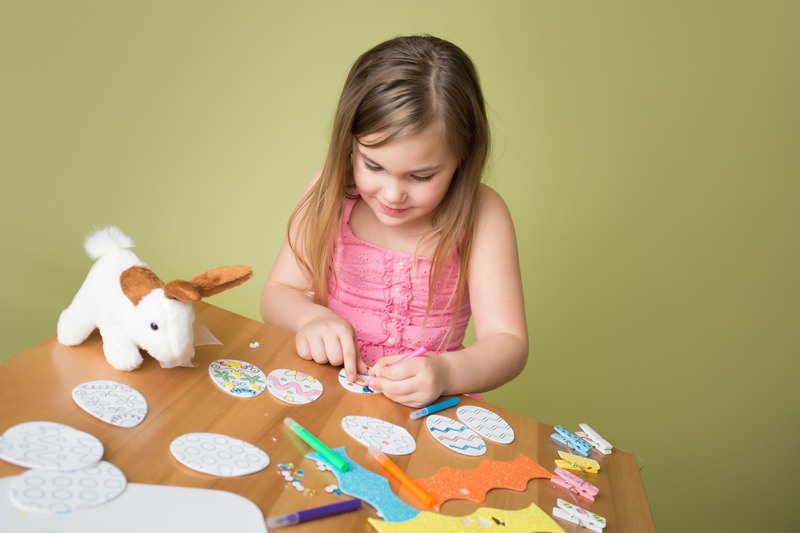
One of the most common sources of pet emergencies over Easter is the fun activities which could be harmful for pets. Surprisingly, studies show that up to 14% of dog owners have fed chocolate to their pets, often without realising the danger. Some risks don’t come from accidents; they come from kindness.
- Easter egg hunts
Hidden chocolate eggs in the garden are a serious risk. Dogs have a keen sense of smell and will find what you’ve missed. If you’re hiding eggs outdoors, keep your dog inside or supervise closely and count every egg.
- Guests feeding your pet
Well-meaning visitors are one of the biggest risks, particularly with chocolate. A quiet, clear conversation at the start of a gathering is far easier than a vet trip later.
- Holiday stress
Changes in routine, louder households, and more visitors can cause anxiety in both dogs and cats. Stressed pets may eat things they normally wouldn’t, or react unpredictably.
Signs Your Pet May Have Eaten Something Harmful
Symptoms can vary depending on what your pet has eaten and how much. With some toxins, symptoms can appear within a few hours and persist for up to 72 hours, so even if your pet seems fine initially, that doesn’t mean they’re in the clear. Watch for any of the following:
- Vomiting or diarrhoea (especially if sudden or repeated)
- Lethargy or unusual weakness
- Tremors, twitching, or seizures
- Loss of appetite
- Excessive drooling
- Bloating or a distended abdomen
- Pale or yellowish gums
- Excessive thirst or urination
- Difficulty breathing
What To Do If Your Pet Eats Something Dangerous
Stay calm and act quickly. Follow these steps:
- Remove access immediately: Take your pet away from the substance and secure it so no other animals can reach it.
- Identify what they ate: Note the substance, approximate quantity, and when it happened. Check the packaging if possible.
- Call your vet straight away: Do not wait for symptoms to develop. If it’s outside your vet’s normal hours, contact an emergency vet.
- Follow their instructions: Your vet may ask you to bring your pet in immediately, or advise you on what to monitor.
*Note: Keep your pet calm and still while you wait for advice or travel to the clinic.
Do NOT
- Induce vomiting unless specifically instructed by a vet, with some substances, this can cause further harm.
- Search for home remedies online, instead contact a professional.
- Delay because your pet seems fine. Symptoms from some toxins can take hours to appear.
How Hunters Lodge Can Help This Easter
If you’re planning Easter celebrations, expecting a busy household, or travelling over the bank holiday, having the right care in place can make a significant difference to your pet’s wellbeing.
At Hunters Lodge, we provide safe, calm, and well-managed environments for both dogs and cats, helping to reduce stress and remove the risk of exposure to seasonal hazards.
Our Services Include
- Dog boarding kennels: Secure, comfortable stays with plenty of space.
- VIP dog rooms: A quieter, more relaxed environment for dogs who need a calmer setting.
- Doggy day care: Supervised play and structured days for dogs while you’re busy.
- Cattery: Heated, private rooms designed to keep your cat comfortable and calm.
See exactly where your pet will stay, explore our kennels, cattery, and play areas in this quick video tour.
Our experienced team closely monitors each pet’s behaviour, appetite, and well-being throughout their stay. We follow your pet’s usual routine, provide individual attention, and are equipped to respond quickly to any concerns that arise.
You’re always welcome to visit before you book. Drop in Monday to Saturday between 11:00 am and 11:45 am, no appointment needed.
Take a closer look at our facilities by exploring our gallery, where you can view our spacious daycare areas, kennels, and play spaces. Get in touch. If you’d like to know more, our team are always happy to help.
A Safe and Happy Easter for You and Your Pet
Easter can be a wonderful time for the whole family, including your pets. The hazards are real, but they’re manageable. A little awareness goes a long way.
Keep harmful foods and plants out of reach, supervise egg hunts, brief your guests, and make sure you know who to call if something goes wrong. That’s really all it takes to have a safe Easter with your dog or cat by your side.
From everyone at Hunters Lodge, have a brilliant Easter.