
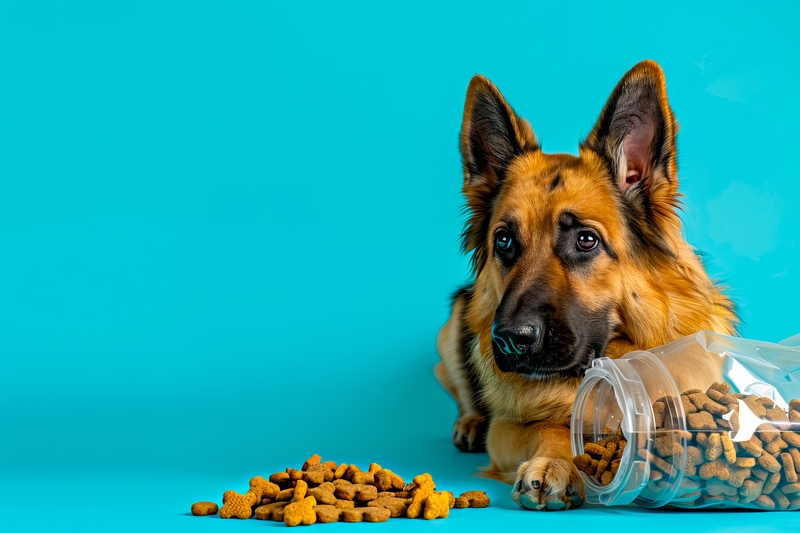
The Perfect Christmas Treats for Your Dog (And What to Avoid)
Christmas is one of those rare times of year when the whole house feels a bit more magical, with twinkly lights, cosy evenings, visitors popping in, and (let’s be honest) far more food than normal. It’s only natural to want to include your dog in the celebrations too, especially when they’re sitting politely in the kitchen, giving you that look.
But festive food sharing needs a little extra caution. Many traditional UK Christmas favourites, such as mince pies, Christmas pudding, pigs in blankets and gravy, can be far too rich, salty, fatty, or even toxic for dogs. And because dogs are opportunists, Christmas is also the season of stolen snacks, unattended plates and “helpful” guests slipping them treats.
So, what Christmas treats for dogs are safe, what Christmas foods should you avoid, and how to keep your home feeling festive without risking an emergency vet visit?
Why Christmas foods can be risky for dogs
- Dogs’ digestion is more sensitive than ours
Dogs don’t process food the same way humans do, and sudden changes, especially rich, fatty, heavily seasoned food, can upset their stomach quickly. Even foods that aren’t “toxic” can still cause vomiting, diarrhoea, gas, or discomfort if they’re too rich or if your dog isn’t used to them. That’s why UK Christmas dog food safety is as much about portion size and preparation as it is about avoiding toxins.
- Hidden toxins turn up in “normal” festive favourites
A big Christmas risk is that toxic ingredients can be hidden inside foods you wouldn’t automatically think of as dangerous.
A mince pie isn’t just pastry, it’s dried fruit (raisins/sultanas/currants). Gravy often contains onion and garlic. Chocolate appears everywhere, from Advent calendars to selection boxes. And sugar-free sweets can contain xylitol (extremely dangerous).
Festive foods your dog should never eat
These are the key Christmas foods dogs should avoid (and why).
- Chocolate & cocoa products
Chocolate contains theobromine, which dogs can’t metabolise safely. It can cause vomiting, diarrhoea, heart issues, muscle tremors and seizures. Dark chocolate is particularly risky because it contains more theobromine.
Common Christmas culprits:
- Advent calendars
- Chocolate coins and tree decorations
- Selection boxes
- Chocolate Santas and stocking fillers
Products with grapes, raisins, currants or sultanas
Dried fruit (and grapes) can be highly toxic to dogs, and there’s no guaranteed “safe” amount. Some dogs can become seriously ill after eating even a small amount. These ingredients are common in traditional festive bakes.
Watch out for
- Mince pies
- Christmas pudding
- Christmas cake
Onions, garlic & allium vegetables
Onions, garlic and related vegetables (like leeks) can upset a dog’s stomach and can damage red blood cells, potentially leading to anaemia. They can be risky, whether cooked or raw, and they’re hidden in lots of festive cooking.
Often found in:
- Stuffing
- Gravy
- Stock, sauces and seasoning mixes
Alcohol & caffeine
Alcohol is never safe for dogs, even in small amounts. Likewise, caffeine can cause restlessness and rapid breathing. Keep festive drinks well away from curious noses (and low coffee tables).
Cooked bones (especially turkey and chicken bones)
Cooked poultry bones can splinter into sharp fragments. That creates a real risk of choking, mouth injuries, and internal damage if swallowed. The “turkey bones dogs” question comes up every year for good reason: cooked bones are one of the most common festive accidents.
High-fat or salty snacks (pigs in blankets, turkey skin, rich leftovers)
High-fat foods can trigger painful digestive upsets and, in more serious cases, pancreatitis. Salty foods can also be dangerous. That’s why “pigs in blankets dogs” is a firm no, even if they look like the perfect bite-sized treat.
Common risky foods:
- Pigs in blankets
- Turkey skin
- Cheesy leftovers
- Rich sauces and buttery sides
Other hidden dangers
Some hazards aren’t part of the “traditional Christmas dinner” but still appear in homes at this time of year.
- Xylitol (found in some sugar-free sweets) can be very dangerous.
- Nutmeg and heavy spices can cause stomach upset and other issues.
- Raw dough can expand in the stomach and cause serious digestive problems.
Christmas foods that are safe
Let’s balance things out with what Christmas food dogs can eat. The rule is: keep it plain, keep it small, and keep it familiar.
Lean proteins (simple and dog-friendly)
Plain cooked turkey or chicken can be a lovely Christmas treat for dogs, just make sure it’s unseasoned, skinless, and bone-free.
Safe approach:
- Offer a few small bites alongside their normal meal
- Avoid gravy, stuffing, butter, oils, and seasoning
- Skip processed meats (too salty/fatty)
Dog-friendly vegetables
Several Christmas veg options are fine when they’re plain cooked and given in small portions.
Good options include:
- Carrots
- Peas
- Green beans
- Brussels sprouts (small amounts can be fine for many dogs)
- Broccoli
The key is to avoid butter, salt, onion, garlic, and rich sauces.
Safe sides (with cautions)
Plain potato can be ok if it’s prepared simply.
Keep it dog-safe by:
- Boiling or mashing with no butter, no milk, no salt
- Avoiding roast potatoes (the oil/fat content can be too rich)
Make your dog’s Christmas dinner special (and safe)
If you’re thinking “can dogs eat Christmas dinner?”, the best answer is: they can have a dog-appropriate mini version, not a full plate of yours.
A simple, balanced “festive bowl” could look like:
- A small portion of plain cooked turkey (no skin, no bones)
- A spoon of plain mashed potato (no butter/milk)
- A small serving of plain cooked veg (like carrots or green beans)
A few practical tips (especially if your dog has a sensitive stomach):
- Stick to foods they’ve eaten before without issues.
- Keep portions modest; treats should supplement, not replace, their normal diet.
- Introduce anything “new” gradually (Christmas Day is not the day for experiments).
What to do if your dog eats something dangerous
Even with the best planning, accidents happen, especially when there are guests, kids, buffet food, and distracted moments.
Symptoms to watch for
Signs your dog may be unwell after eating something they shouldn’t can include:
- Vomiting or diarrhoea
- Lethargy or weakness
- Tremors/twitching
- Restlessness or unusual panting
- Loss of appetite
These symptoms are consistent with festive poisoning/illness guidance around common Christmas hazards.
Urgent steps to take
- Contact your vet immediately (or out-of-hours service).
- If you know what they ate, keep packaging and estimate how much was consumed, which helps your vet advise faster.
- Don’t attempt home remedies unless your vet instructs you to.
Tips for a pet-safe Christmas environment
Food is the big one, but it’s not the only hazard at this time of year.
Hunters Lodge highlights how quickly festive chaos can overwhelm pets, and why prevention matters, especially with food, decorations and general household disruption.
Keep festive food out of reach (and manage guests)
- Clear plates quickly and don’t leave buffet food unattended.
- Ask guests not to feed your dog “just a little bit”.
- Consider giving your dog a calm space away from the kitchen/dining area during cooking and serving.
Watch for non-food hazards
Christmas decorations can be tempting, especially anything shiny, dangly, or chewable.
Look out for:
- Tinsel and ribbons (risk of choking or blockages)
- Wrapping and tape
- Tree ornaments and hooks
- Fairy lights and wires
This is a common festive safety theme: anchor decorations, remove temptations, and tidy up quickly after gift-opening.
How Hunters Lodge Can Help This Christmas
Christmas is meant to be enjoyable, but it can be a lot for pets: richer smells, extra visitors, more noise, and far more opportunity to snatch unsafe treats. A little planning goes a long way, especially if you’re hosting, travelling, or simply want your dog to keep a steady routine while the house is busy.
If you’d like some extra support, Hunters Lodge can help with tailored, professional care. If you’d like to see the facilities before booking, you can explore the Hunters Lodge gallery or contact the team to talk through what would suit your pet best.
Frequently Asked Questions
- What Christmas treats are safe for dogs?
Safe Christmas treats for dogs include small portions of plain cooked turkey or chicken (no skin, no bones) and plain cooked vegetables like carrots, peas, broccoli and brussel sprouts, served without gravy or seasoning.
- What should dogs not eat at Christmas?
Dogs should not eat chocolate, mince pies, Christmas pudding or cake (due to raisins/currants/sultanas), stuffing and gravy (often containing onion/garlic), cooked bones, and very fatty or salty foods like pigs in blankets.
- Can dogs eat turkey at Christmas?
Yes, dogs can have turkey in moderation if it’s plain, cooked, and served without skin, bones, seasoning or gravy.
- Is Christmas pudding bad for dogs?
Yes, Christmas pudding can contain raisins/currants/sultanas, which are associated with serious toxicity risks in dogs.
- What should I do if my dog eats chocolate at Christmas?
Contact your vet (or out-of-hours vet) straight away. Chocolate toxicity can cause serious symptoms, including vomiting, tremors and seizures, and your vet will need to know your dog’s size, the type of chocolate, and how much may have been eaten.