
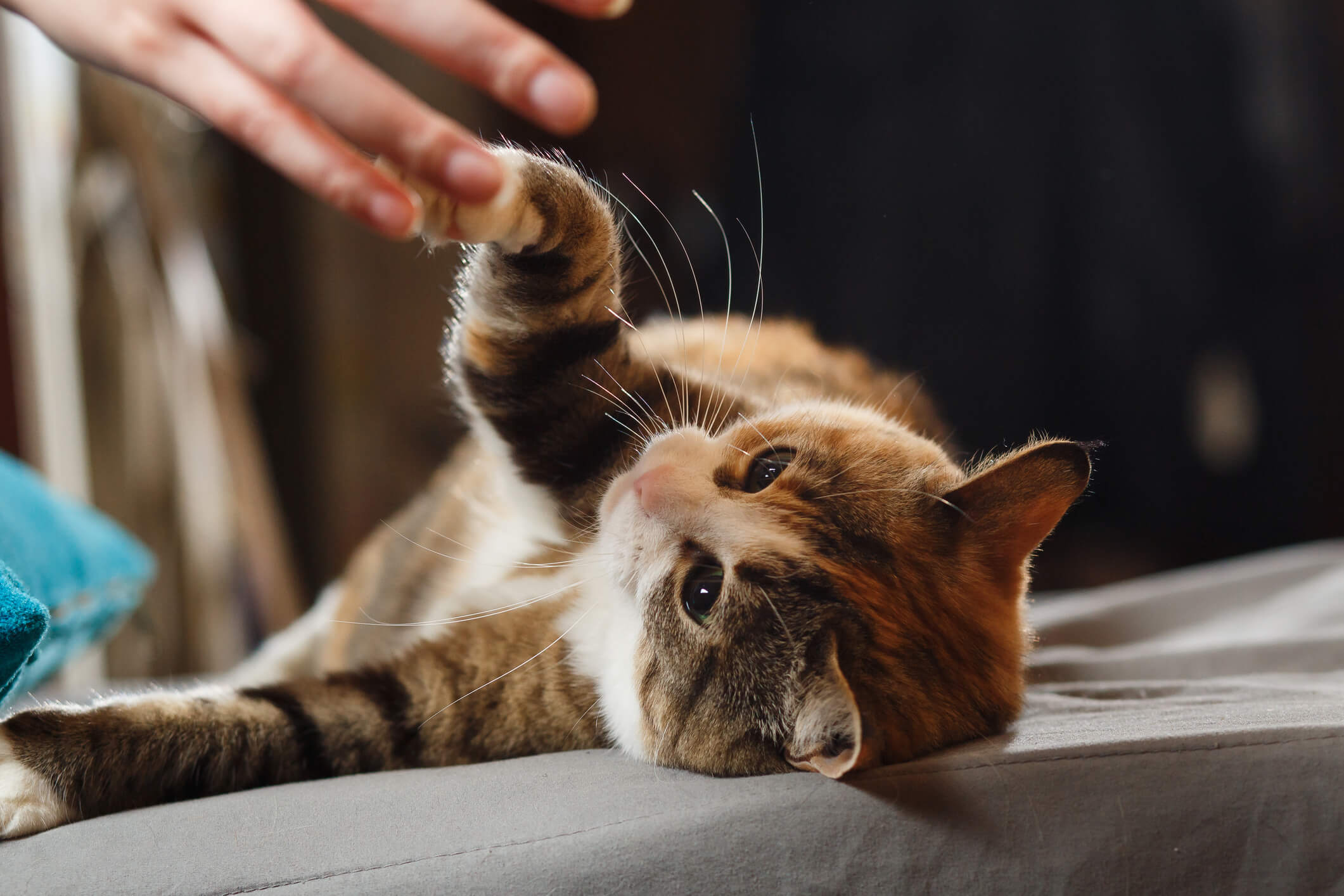
Your Cat’s First 24 Hours at a Cattery: What to Expect
If your cat has never stayed in a cattery before, there’s a good chance you’ve already started wondering what they’ll make of it.
Will they hide? Will they eat? Will they settle without you there?
You know your own cat. Some investigate a new cardboard box before it has even touched the floor. Others need time to decide whether a new cushion deserves their trust. So if you’re planning their first time in a cattery, it’s understandable to want a clearer idea of what those first hours may look like.
There isn’t one version of a “good” first day. Some cats start exploring fairly quickly. Others prefer to watch, listen and take their time.
Here’s what you may notice during those first 24 hours, and what you can do beforehand to help the cattery understand the cat you know at home.
What Happens When Your Cat First Arrives?
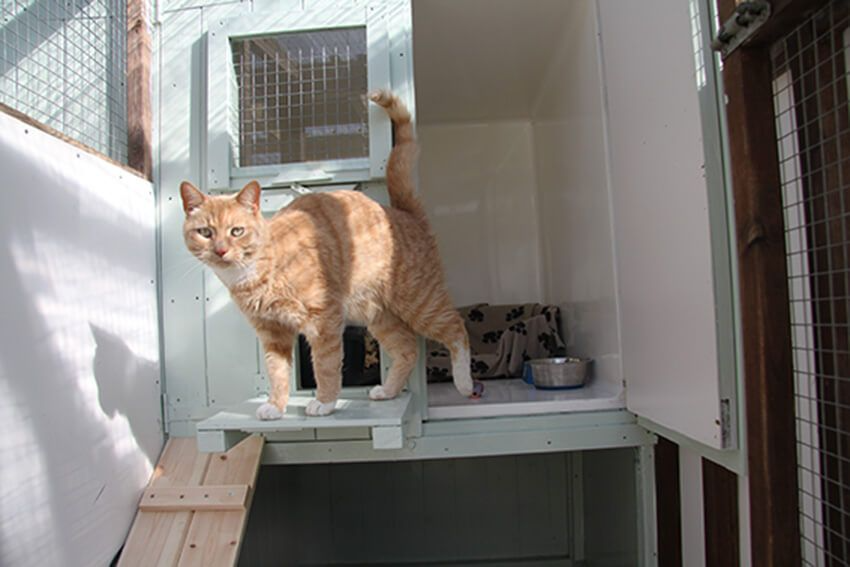
First, they need to work out where they are
Once they arrive, almost everything is unfamiliar: the room, the smells, the sounds and the people caring for them.
Some cats will want to investigate straight away. They’ll look around, sniff what is within reach and start taking an interest in their surroundings. Others will choose somewhere comfortable and stay quiet for a while.
Hiding or being less sociable than usual can happen when a cat is adjusting to a new environment. If your cat normally disappears when the doorbell rings, it wouldn’t be surprising if they took a similar approach somewhere they’ve never been before.
A cautious start doesn’t tell you how the rest of the stay will go. Some cats simply need more time to become familiar with a new place.
Then comes food
For many cat parents, this is the first question: have they eaten?
You know the routine at home. The cupboard opens. The packet rustles. Your cat appears from a part of the house you were fairly certain they weren’t in. In a new environment, things may be different at first.
Some cats will eat normally from the beginning. Others may be less interested in food while they’re still settling. A change in appetite can be one sign that a cat feels unsettled, which is why it helps if the people caring for them know what is normal at home.
If your cat has particular feeding habits, dietary requirements or strong preferences, tell the cattery team before the stay. The details that feel ordinary to you can be useful when someone else is looking after them. We can follow your feeding instructions and cater for individual dietary requirements.
As the first day goes on
Settling rarely happens in one obvious moment. It tends to show up in smaller changes. The cat who stayed at the back of their room may begin coming forward to look around. They may start grooming, show more interest in what is happening nearby or become more comfortable when somebody approaches. Their posture may look softer. They may simply spend less time hiding. Some cats get there quickly. Others need longer.
Most cats can take around a day or two to settle into unfamiliar surroundings, so there is no reason to expect your cat to behave exactly as they do at home by the end of their first afternoon.
What If Your Cat Is Naturally Nervous?
If your cat hides whenever someone unfamiliar comes through the front door, the thought of leaving them somewhere new can feel like a big step. That is exactly the sort of information the cattery should know before they arrive.
Don’t feel you need to present your cat as more confident than they are. If they prefer to approach people on their own terms, say so. If sudden noises make them nervous, mention it. If they have taken time to settle somewhere unfamiliar before, that is useful too.
There are, however, changes that need to be taken seriously. If a cat has not eaten, drunk, urinated or defecated normally for 24 hours, veterinary attention is needed. Stress and illness can sometimes produce similar changes, so important changes in normal behaviour shouldn’t simply be put down to nerves.
What Can You Do Before Their First Cattery Stay?
You don’t need to spend the week before boarding trying to prepare your cat for every possible scenario. Keeping life reasonably familiar is often more useful. What you can do is make sure the cattery has a good picture of the cat they’re about to meet.
Tell them about:
- your cat’s usual food and feeding habits;
- any dietary requirements or medication;
- behaviours that are normal for them;
- things that tend to make them nervous;
- how they usually respond to unfamiliar people;
- anything that has changed recently.
Try to be specific. “My cat can be shy” is useful. “She’ll probably hide when you first come in, but once she starts rubbing her face on the edge of the bed she usually wants attention” is even more useful.
It is also worth seeing the cattery before the stay if you can. You can look at the accommodation, meet the people who’ll be caring for your cat and ask questions before drop-off day.
What Would Their First Stay Look Like at Hunters Lodge?
When your cat stays with us, they’ll have their own spacious, double-heated accommodation, with dedicated exercise areas for individual attention, playtime and cuddles.
We can follow your feeding instructions, cater for individual dietary needs and administer medication when required. Tell us about the little things that help your cat feel comfortable, particularly if they’re nervous around new people or unfamiliar surroundings.
If you’re considering a stay with us, you’re welcome to visit beforehand, see the cattery and meet the team.
Planning Your Cat’s First Stay?
A first cattery stay can feel like a big step, especially when you know exactly how particular your cat can be about their routine.
If you’re thinking about a stay with us, speak to our team about your cat’s routine, personality and any individual needs before you book.
FAQs
Is a cattery stressful for cats?
A new environment and change in routine can initially unsettle some cats. Signs can include hiding, eating less, avoiding interaction or appearing tense. A calm environment, predictable care and allowing a cat to settle at their own pace can help.
Do cats miss their owners when they stay in a cattery?
Cats can become unsettled when an owner is away because they are often attached to both their owner’s presence and their usual daily routine. How strongly this affects them varies from cat to cat.
Can two cats from the same household stay together at Hunters Lodge?
We have options for two or more cats sharing accommodation. If you would like your cats to stay together, discuss this with the team when arranging their booking so their requirements can be considered.
What vaccinations does my cat need before staying at Hunters Lodge?
Cats staying with us need to be fully vaccinated against Feline Enteritis and Cat Flu. Vaccinations need to be current and given at least 14 days before the stay, and you will need to provide your cat’s vaccination certificate.
Should I bring my cat’s usual food to a cattery?
If your cat has a particular diet or strong food preferences, let us know before their stay. We can cater for individual dietary requirements and follow your feeding instructions. If you’d like your cat to stay on their usual food, check with our team when booking so we can confirm what you’ll need to bring.